Weird places, plainly explained
The Library Where the Border Runs Under the Bookshelves
In a small building shared by Quebec and Vermont, a black line on the floor marks a very real international boundary.
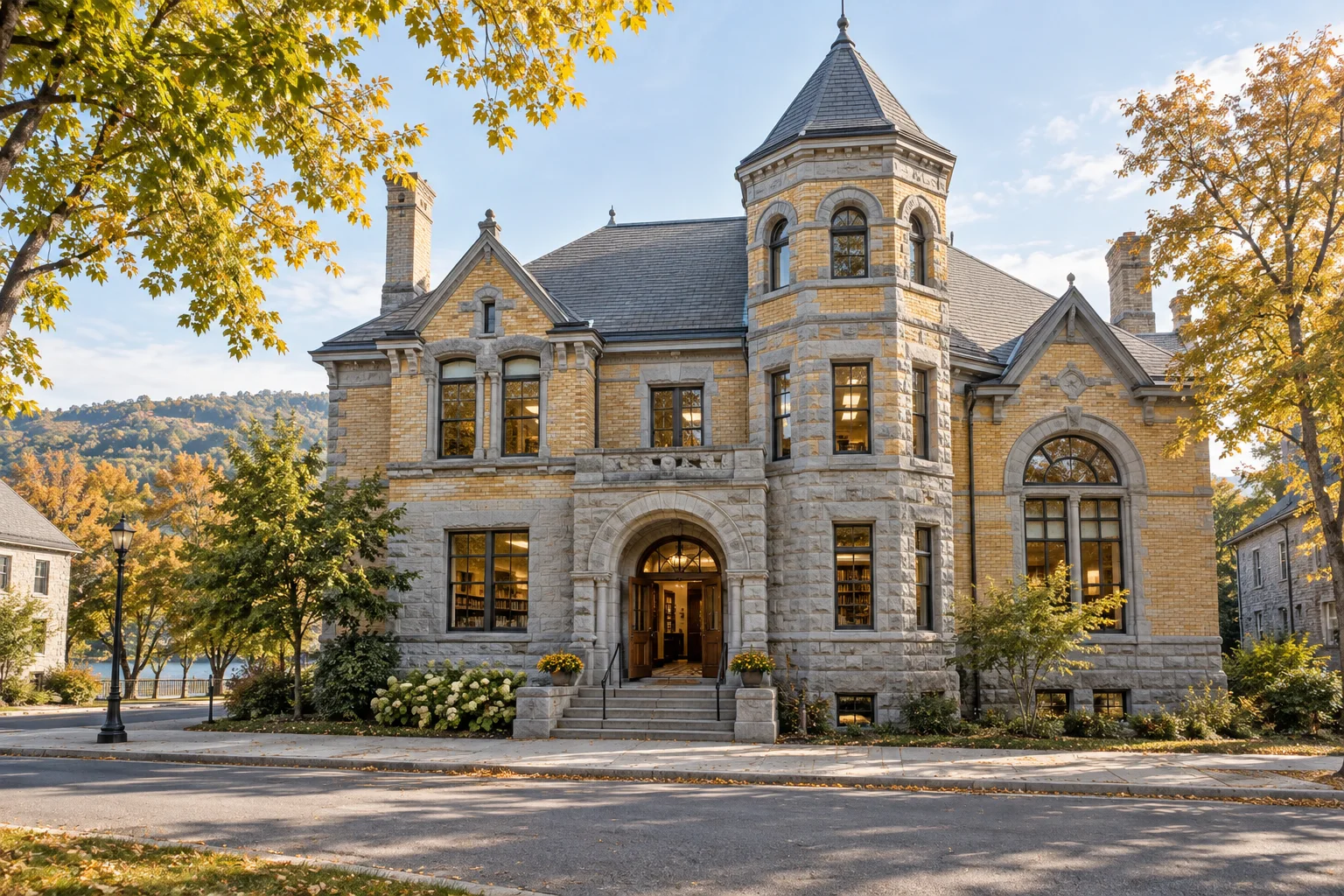
Most libraries ask patrons to keep their voices down. The Haskell Free Library and Opera House asks something stranger of the building itself: it lives in two countries at once.
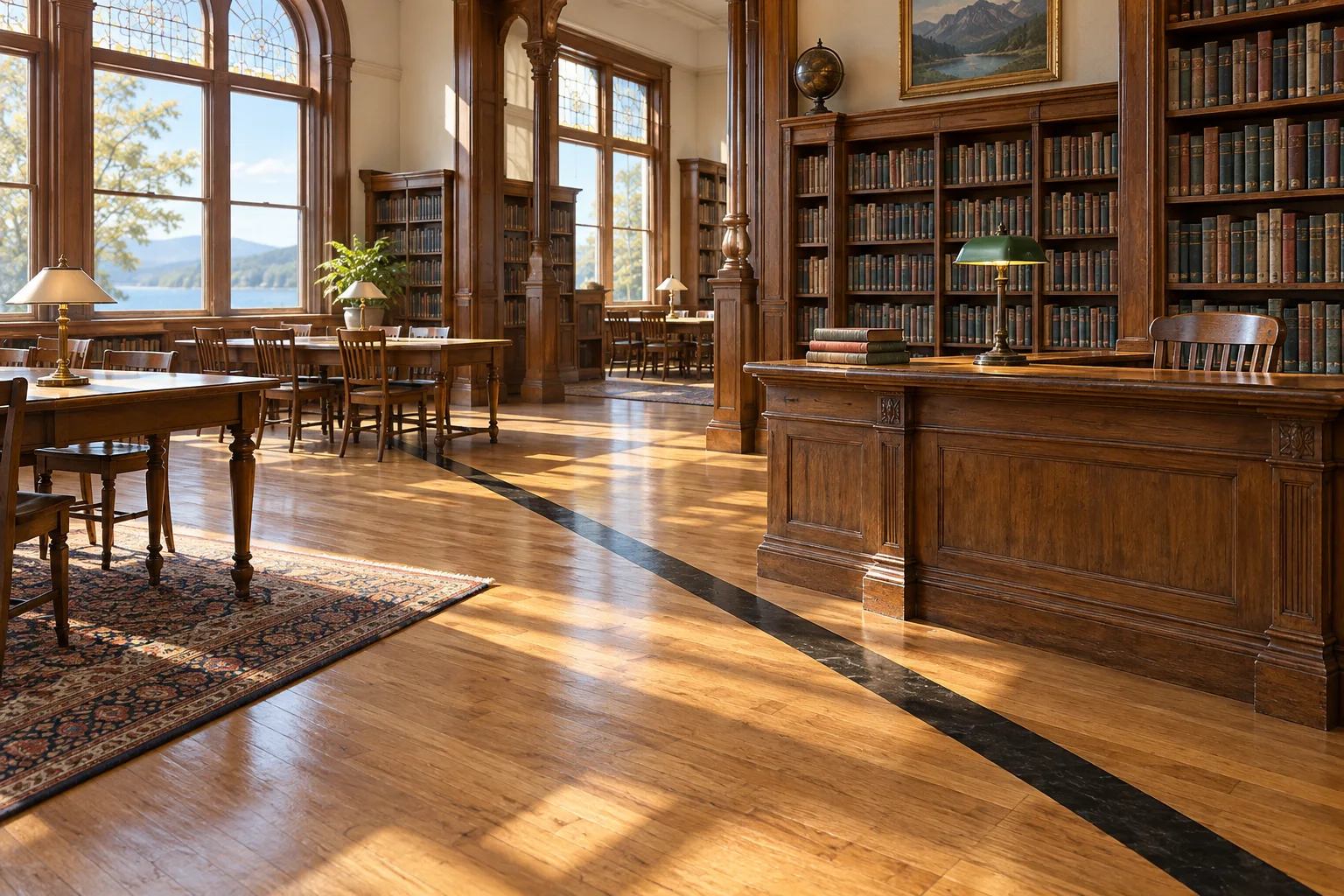
The historic building sits across the line between Stanstead, Quebec, and Derby Line, Vermont. Inside, a thick black line crosses the hardwood floor of the reading room. Parks Canada says the line runs beneath the stacks and the circulation desk, marking the Canada–United States boundary. Upstairs, the line continues beneath the opera-house seats.
Built for two neighboring communities
The building has carried that boundary since its construction. Canadian heritage records say the library and opera house were built from 1901 to 1904 on the international boundary. Martha M. Stewart Haskell and her son, Horace Stewart Haskell, gave the combined public library and concert hall to serve people on both sides of the border. Parks Canada records that service to both communities as a condition of the gift.
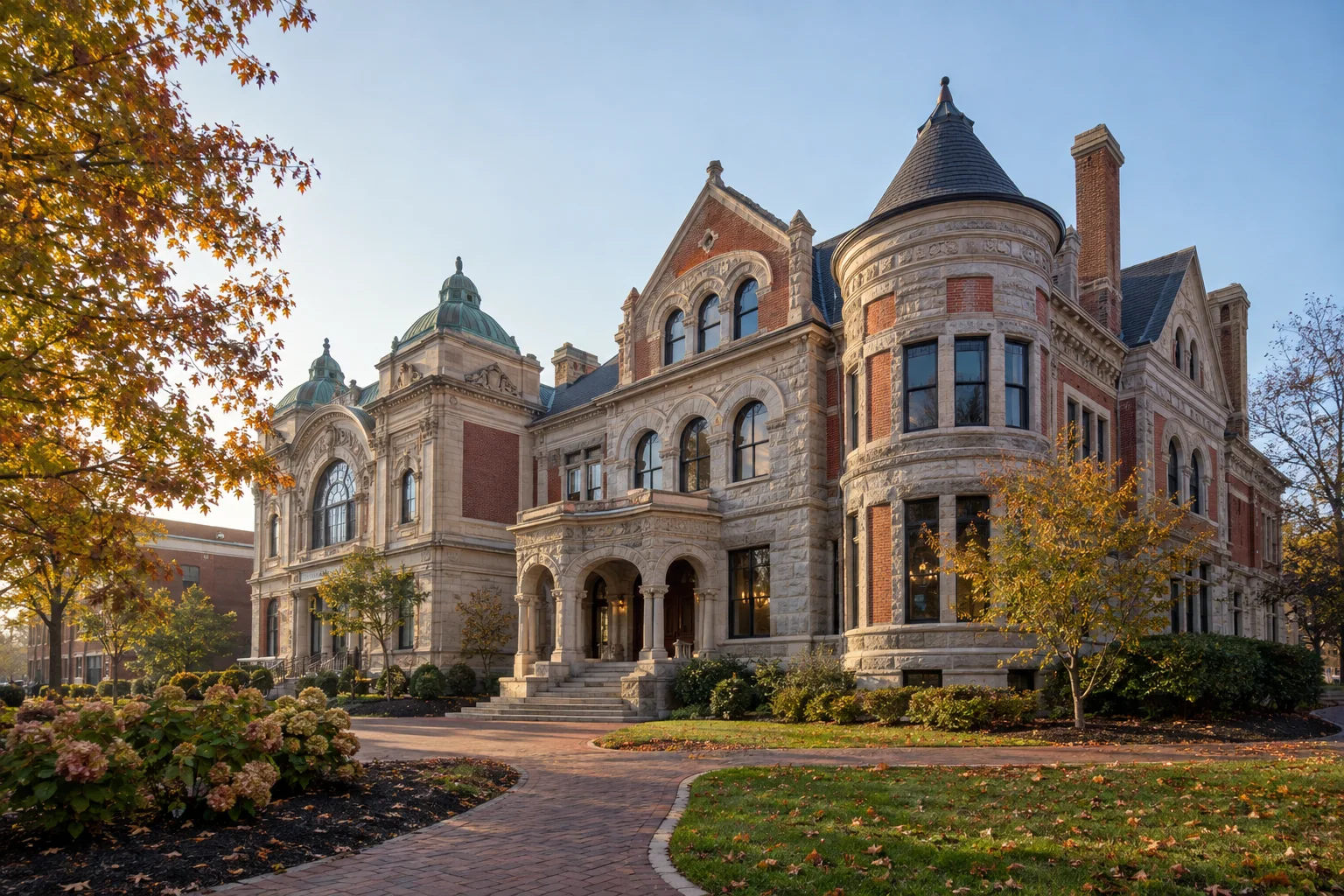
The idea was unusually practical as well as symbolic. The first floor held the library; the second held an opera house. The Canadian Register of Historic Places describes a 500-seat hall and a building faced with local granite at the library level and brick around the performance space.
What the records show
The oddest details are documented, not folklore: the building really does straddle the border, and heritage records identify the black floor line as a character-defining feature. Canada designated the Haskell a national historic site in 1985.
The building’s present-day rules are practical and revealing. Its visitor page gives separate Canadian and U.S. entrances and tells visitors to leave by the same door they used to enter. Cross-border meetings, including family reunions, are prohibited. Anyone planning a visit should check the library’s current guidance alongside current travel requirements.
A line with a human purpose
The floor line is an excellent piece of Weird News because it is so visually direct: one stripe, two countries, and the everyday work of borrowing books or attending a performance continuing around it. But the documented history makes the place more than a geography stunt. It was built as a shared cultural room for neighboring towns.
That may be the best part of the Haskell’s strangeness. The border is visible enough to follow with your eyes, while the building’s original purpose is to give people on both sides a reason to walk into the same room.
Leave a Reply