Editorial illustration
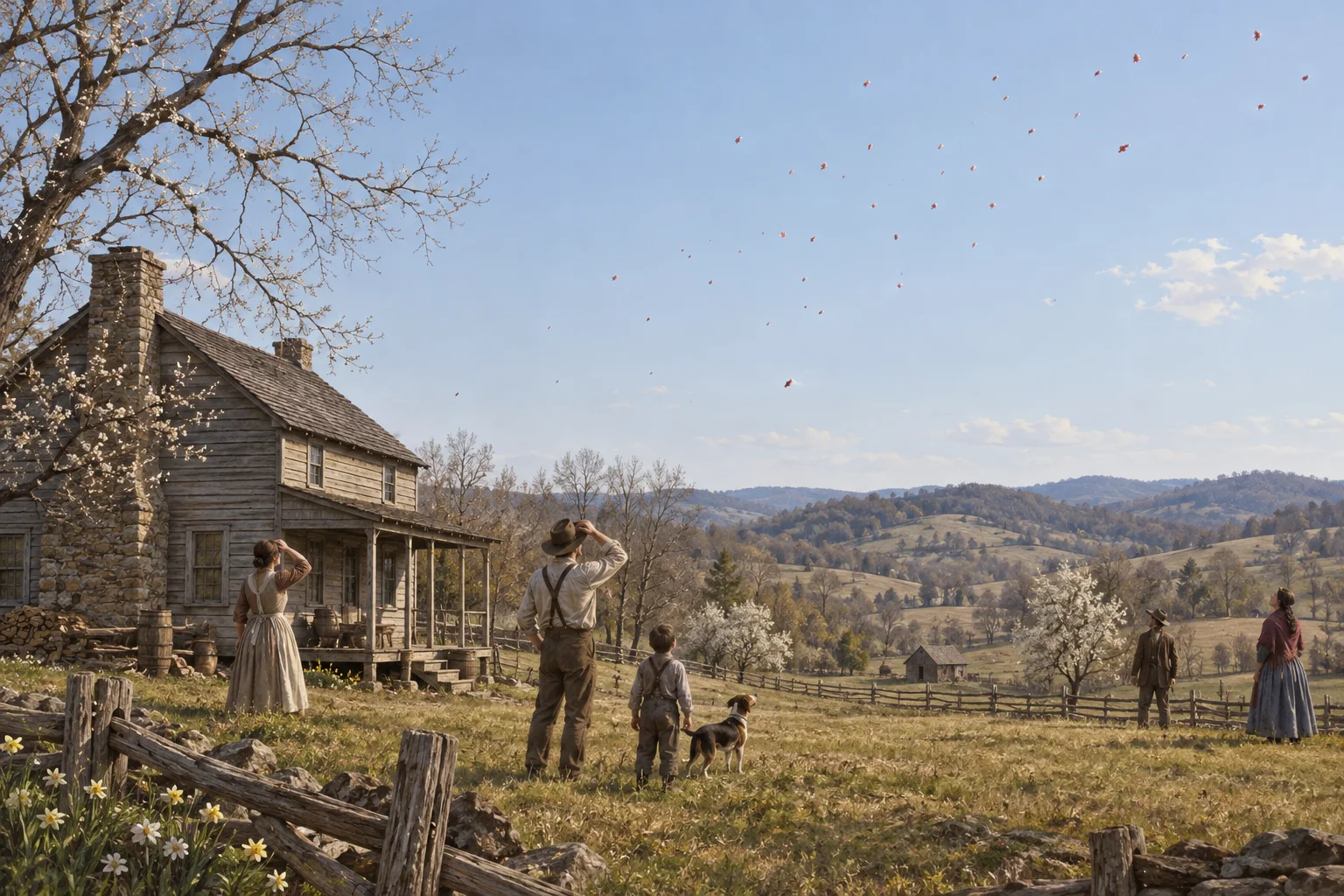
On March 3, 1876, residents of Bath County, Kentucky, reported an event that still reads like a prank headline: pieces of raw-looking material fell over a patch of ground near Olympia Springs. The story became known as the Kentucky Meat Shower. It survives because the people involved collected samples, newspapers repeated the account, and nineteenth-century observers tried to work out what had happened.
The documented record is unusual, yet it has limits. The event is real as a historical report; the precise chain of events that put the material in the air remains uncertain. That distinction is the most interesting part of the story.
A report that became a record
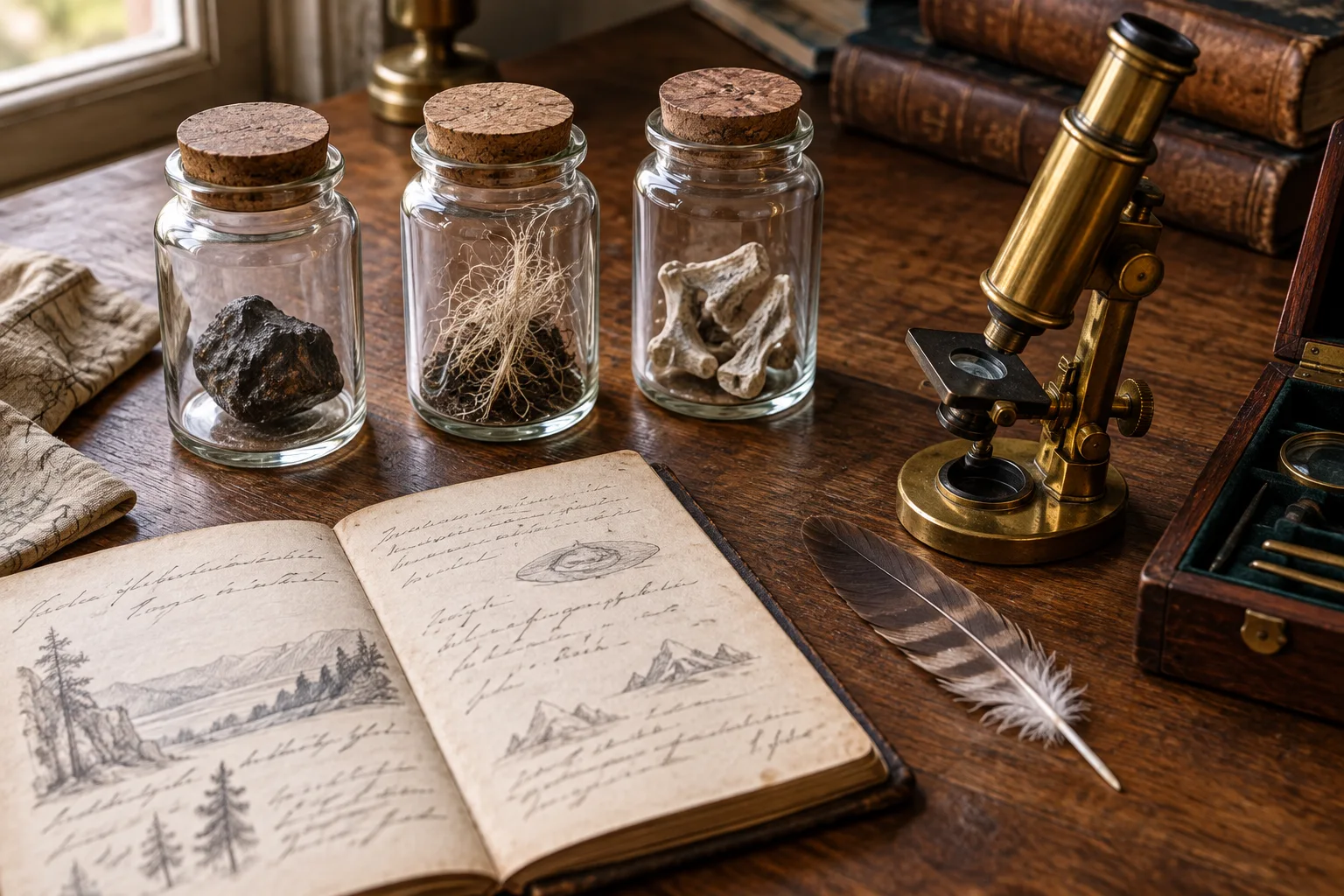
Historical accounts describe material falling across a sizeable patch of Bath County ground, followed by the collection of samples for examination. A Library of Congress teaching resource brings together period newspaper coverage and shows how factual reporting and humorous commentary shaped the surviving record. Its value lies in helping readers compare the historical accounts with the narrower questions that samples could answer.
Contemporary discussion also made its way into Scientific American. That matters less as a final verdict than as evidence that the incident drew early scrutiny. Writers and examiners did not agree on every explanation, and nineteenth-century microscopy could describe tissue without reconstructing a complete path through the sky.
What the evidence supports
The accounts support a modest but striking conclusion: people in Bath County reported material falling, and investigators examined samples they understood as animal tissue. The historical record also preserves competing interpretations. Some participants and later retellings offered explanations that ranged from natural growths to animal remains.
That is different from proving the exact source of every piece. A historical sample can tell us something about itself; it cannot automatically preserve the full scene, the route it traveled, or the identity of an animal overhead. Period reporting and its later scientific discussion let readers trace the evidence without requiring an entertaining retelling to stand in for proof.
The vulture idea is a hypothesis, not a solved case
One long-lived hypothesis proposes that vultures released recently eaten material while flying. The idea is biologically plausible in a general sense: a University of Connecticut Earth Sciences account describes vomiting as a Turkey Vulture defense. That known behavior helps explain why observers considered vultures, but it does not turn the Kentucky event into a confirmed vulture observation.
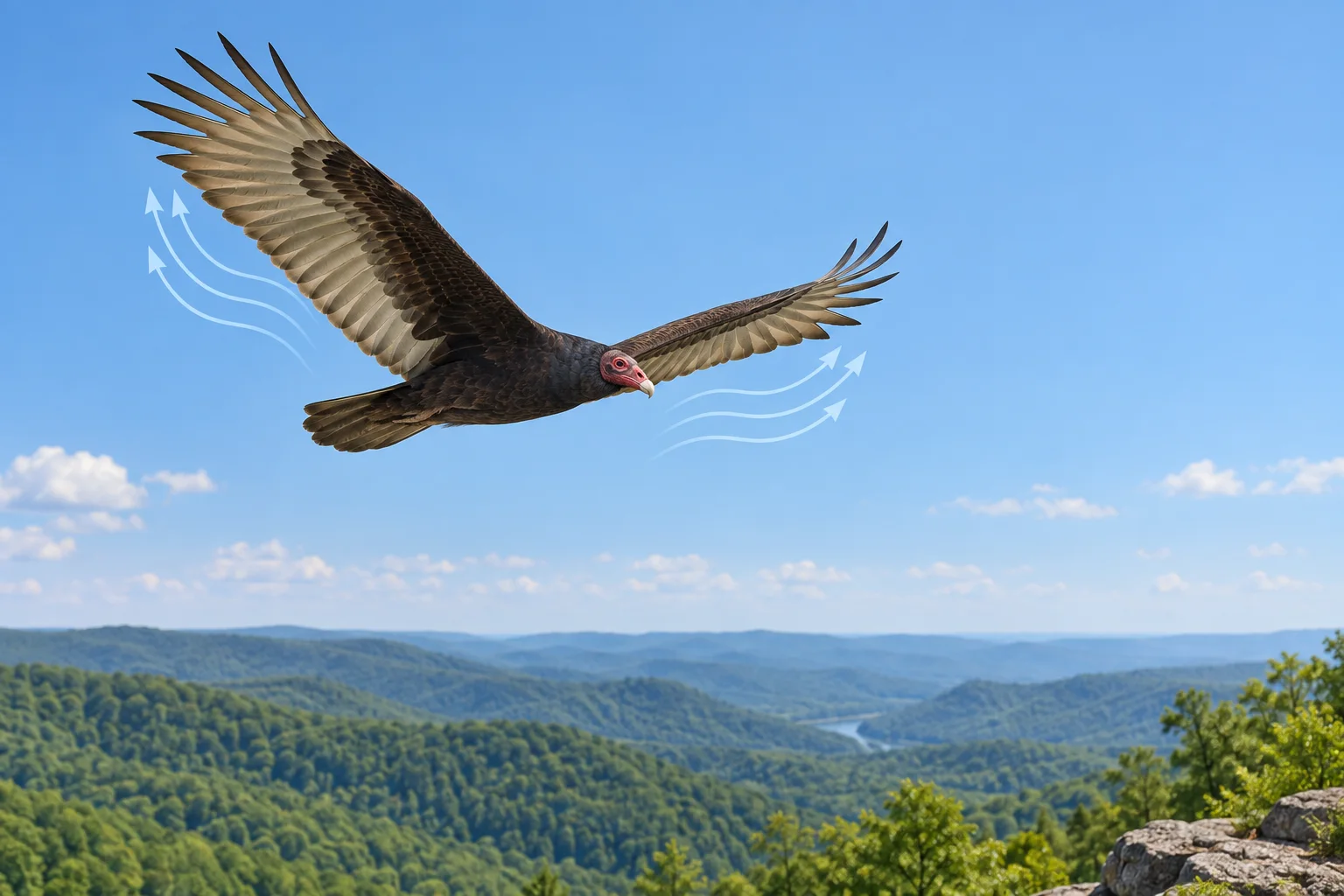
The responsible answer is therefore a two-part one. The shower belongs to the documentary record of nineteenth-century Kentucky. Its exact mechanism remains open because the available evidence does not provide a direct observation tying the falling material to a particular bird, species, or moment in the sky.
Why the mystery lasts
Most odd stories fade because they leave only a punch line. This one lasted because it left a trail: witnesses, printed reports, samples, and disagreement. It is a small lesson in how historical evidence works. A memorable claim can be documented without being fully explained, and a plausible explanation can stay a hypothesis when the final proof never arrived.
That makes the Kentucky Meat Shower more than a curious weather tale. It is a record of people trying to observe carefully when the ordinary categories of the day stopped being enough.
Leave a Reply